For years, server-side ad insertion (SSAI) was treated like a background process, a purely technical step between content and monetization. It “stitched” ads into a stream, and that was that. But heading into 2026, SSAI has quietly evolved into something much bigger: a strategic layer that shapes viewer experience, advertising trust, and even platform partnerships.
This isn’t just about technology anymore. It’s about control, perception, and the economics of streaming.
What SSAI Actually Does and Why It Matters Now
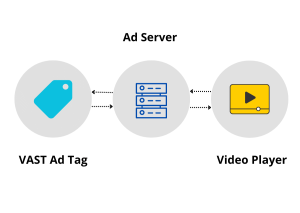
At its core, SSAI takes video content and dynamically inserts ads on the server side before the viewer ever hits play. That means instead of the player stopping to request ads (client-side), the ads are already baked into the stream when it reaches the device.
To the viewer, the result is simple: no buffering, no awkward pauses, and no flashing black screens. To the publisher, it’s far more profound: a seamless user experience that doesn’t break monetization.
In an age where attention is scarce and frustration is fatal, that difference matters.
But SSAI’s true impact in 2026 isn’t just operational. It’s strategic.
From Infrastructure to Advantage
For publishers, broadcasters, and streaming platforms, SSAI has become a key lever of differentiation, not because of what it does, but because of what it enables.
- A Better Ad Experience Means Better Retention
Viewers don’t differentiate between “content issues” and “ad issues.” If the ad break feels broken, the platform feels broken. Clean, consistent ad delivery with no duplicates or jarring transitions protects viewer trust and time spent on the platform.
- Reduced Latency Means Real Revenue
Every millisecond lost in client-side ad calls is potential revenue left on the table. SSAI minimizes that latency tax, ensuring ads actually render and budgets actually spend. It’s not just smoother playback; it’s higher fill and fewer missed impressions.
- Compliance and Brand Safety by Design
In 2026, compliance isn’t just legal, it’s commercial. Distributors and OEM platforms now expect clear control over what appears in every ad break. SSAI provides a single enforcement point for category separation, brand safety, loudness standards, and regional rules.
- Data Integrity That Builds Trust
Because SSAI delivers a unified stream, it creates a single source of truth for reporting. That means advertisers can finally verify what aired, when, and how without fragmented logs or tracking errors. In a market obsessed with transparency, that’s an edge.
The Business Case for SSAI in 2026
The streaming market has matured. FAST channels are consolidating, ad-supported video-on-demand (AVOD) is becoming the default, and distribution platforms are tightening quality control. In this environment, SSAI isn’t optional; it’s access infrastructure.
A reliable, compliant, and high-performing SSAI setup can determine:
- Whether your channel qualifies for placement on premium devices
- How advertisers perceive your inventory
- How much of your inventory actually monetizes in practice
In short, the quality of your ad insertion defines the quality of your business.
Looking Ahead
By 2026, server-side ad insertion will no longer be defined by its technical capability, but by its strategic execution.
The most forward-thinking publishers and platforms are already treating SSAI as a product discipline, not a line item. They’re experimenting with dynamic pod structures, creative sequencing, and real-time promo placement to make ad breaks feel intentional, not interruptive.
That’s where the industry is heading: a world where the ad break itself becomes a premium experience, fast, relevant, and seamlessly integrated with the content around it.
And that future is being built, quietly but decisively, on the foundation of SSAI.
Ready to see how SSAI can elevate your ad experience and maximize every second of revenue?
Discover how Aniview’s advanced SSAI architecture keeps every stream seamless, at any scale.
Request a Demo now!